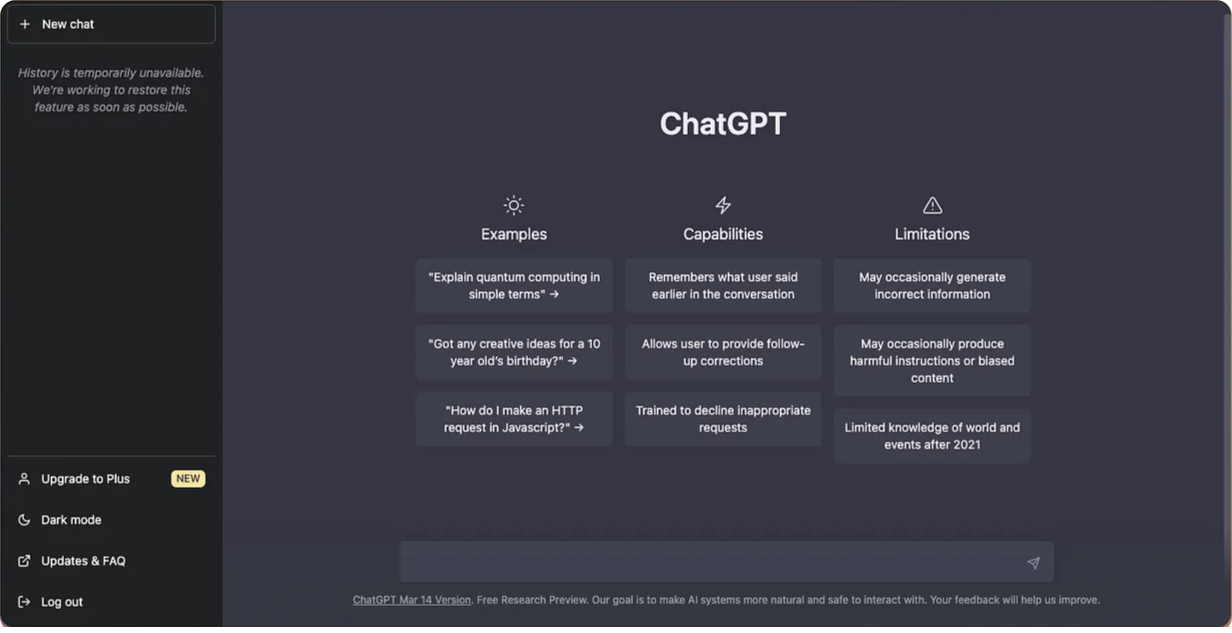
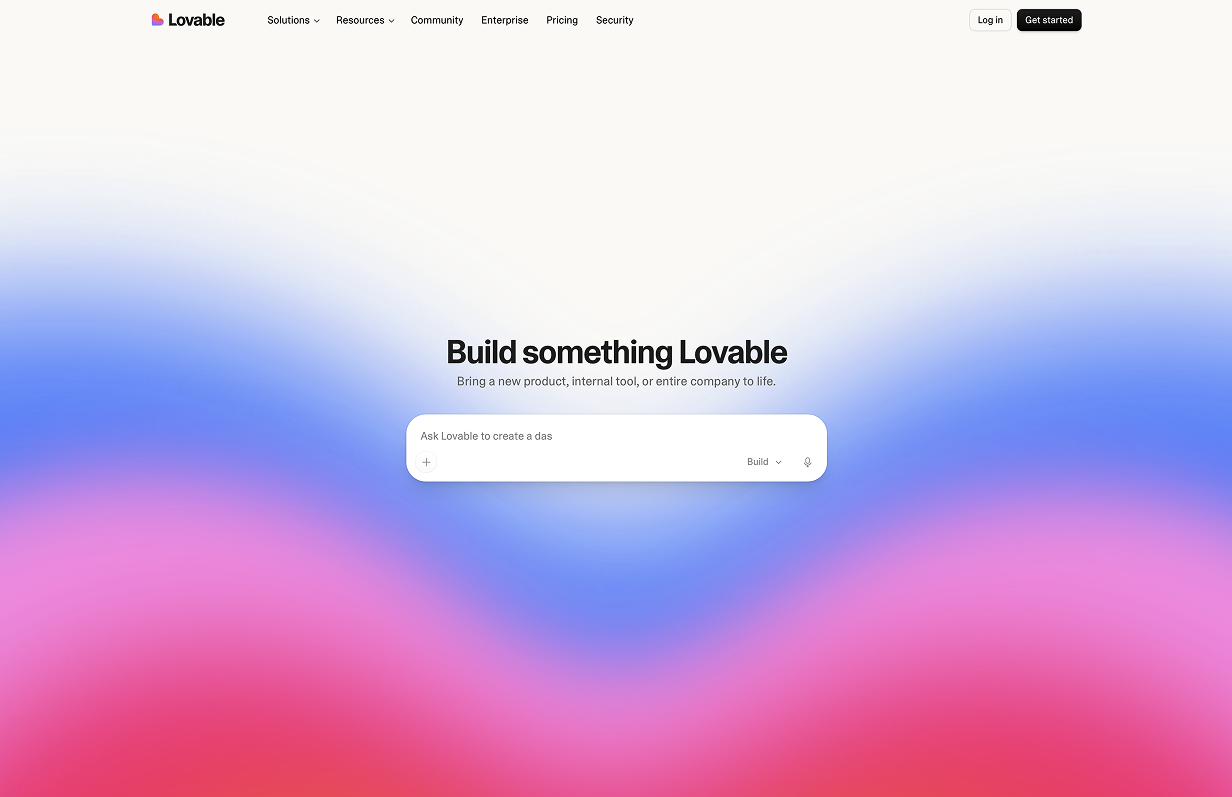
Something moved, hard, between the start of 2025 and the end of 2026, and almost all of it traces back to one interface decision. Not a new capability launched in isolation, not a smarter model quietly getting better in a lab: a chat window. The moment ChatGPT's growth turned vertical, what actually landed with people was not "there is a powerful model somewhere." It was something much simpler, and much stranger to sit with: you can hold a conversation with a computer, and the computer can actually hold up its end of it.
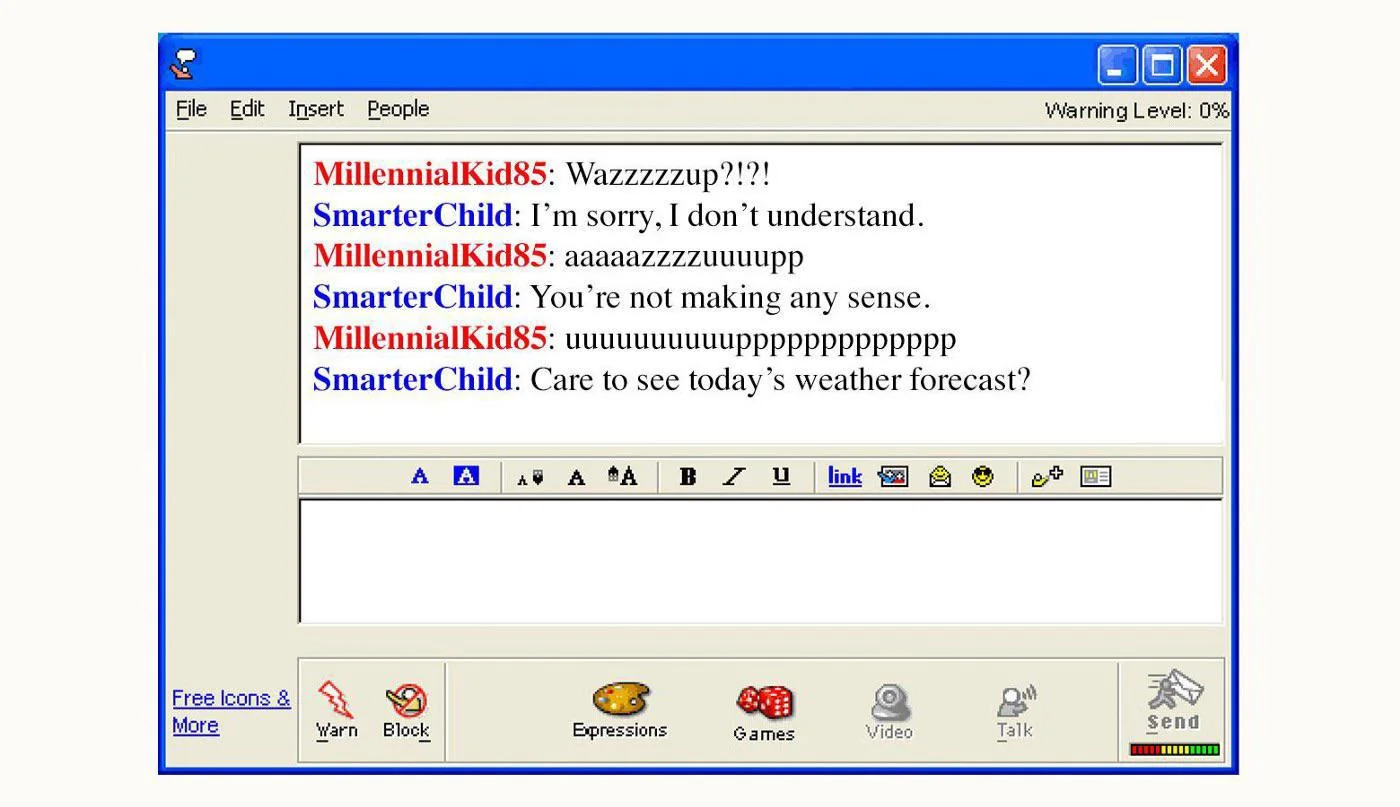
That sentence sounds almost naive written down now, at the end of 2026. It wasn't obvious before. We had already been living with chatbots for five, six, ten years, and almost none of them earned that word. They were scripted decision trees wearing a chat bubble: zero human feel, and a context that started and ended with whatever the business had pre-configured for that exact flow. Ask the wrong question, in the wrong order, and the whole thing collapsed into "I'm sorry, I didn't understand that." The logic behind them was branching logic, not conversation.
What's strange, looking back, is that the interface itself was never the surprising part. A chat window is the least novel shape in software. We had already spent years living inside chat: WhatsApp, Telegram, Slack, Discord, Messenger. Everyone already knew this shape, used it daily, trusted it enough to run an entire social and professional life through it. The shock wasn't the box. It was discovering that the box could suddenly hold a real logical capacity for conversation behind it: the exact same shape we already lived in, quietly humanized.
A short, ugly history of talking to a computer
Before getting into what actually changed, it's worth looking at what came before it. Not for nostalgia. To see how far "conversation" had to travel to mean something.
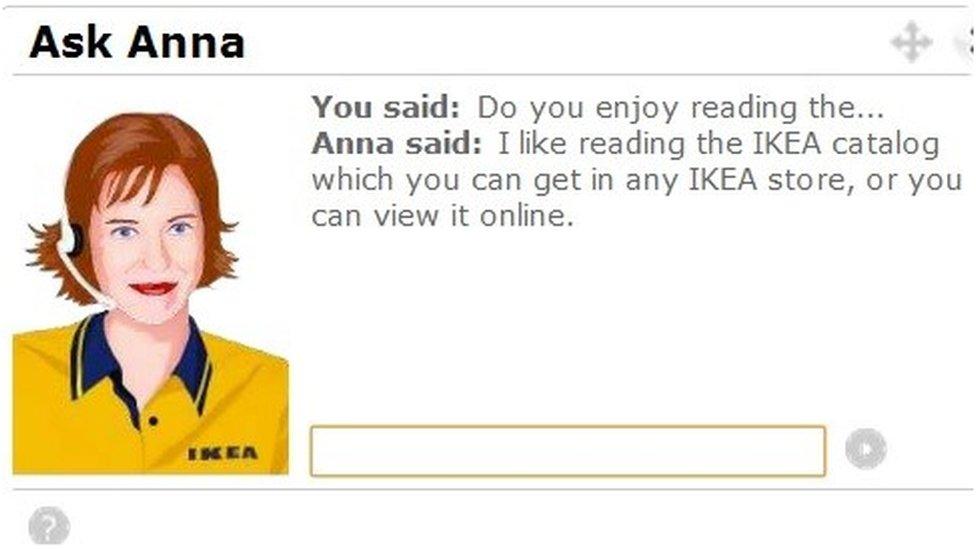
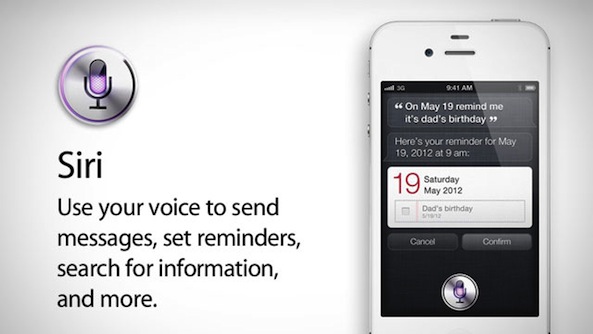
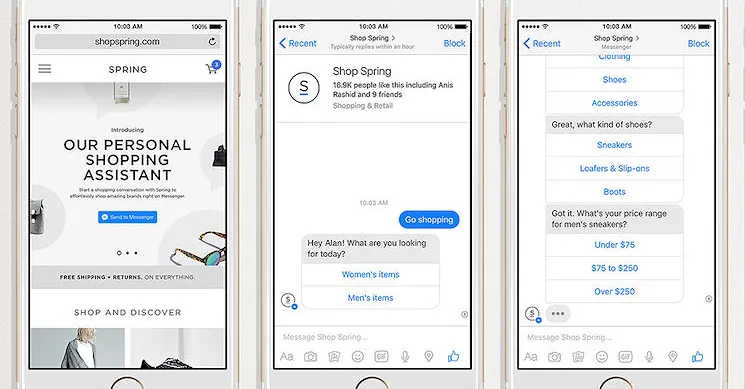
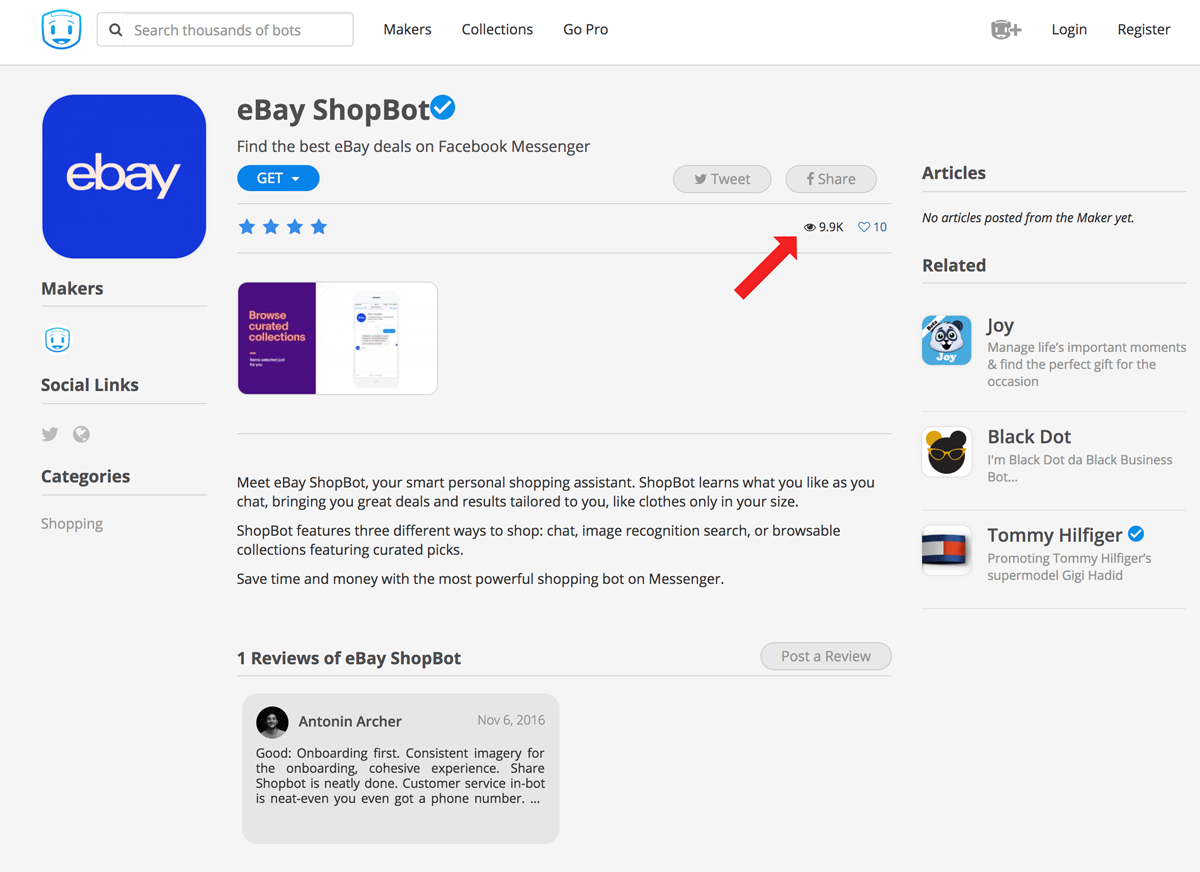
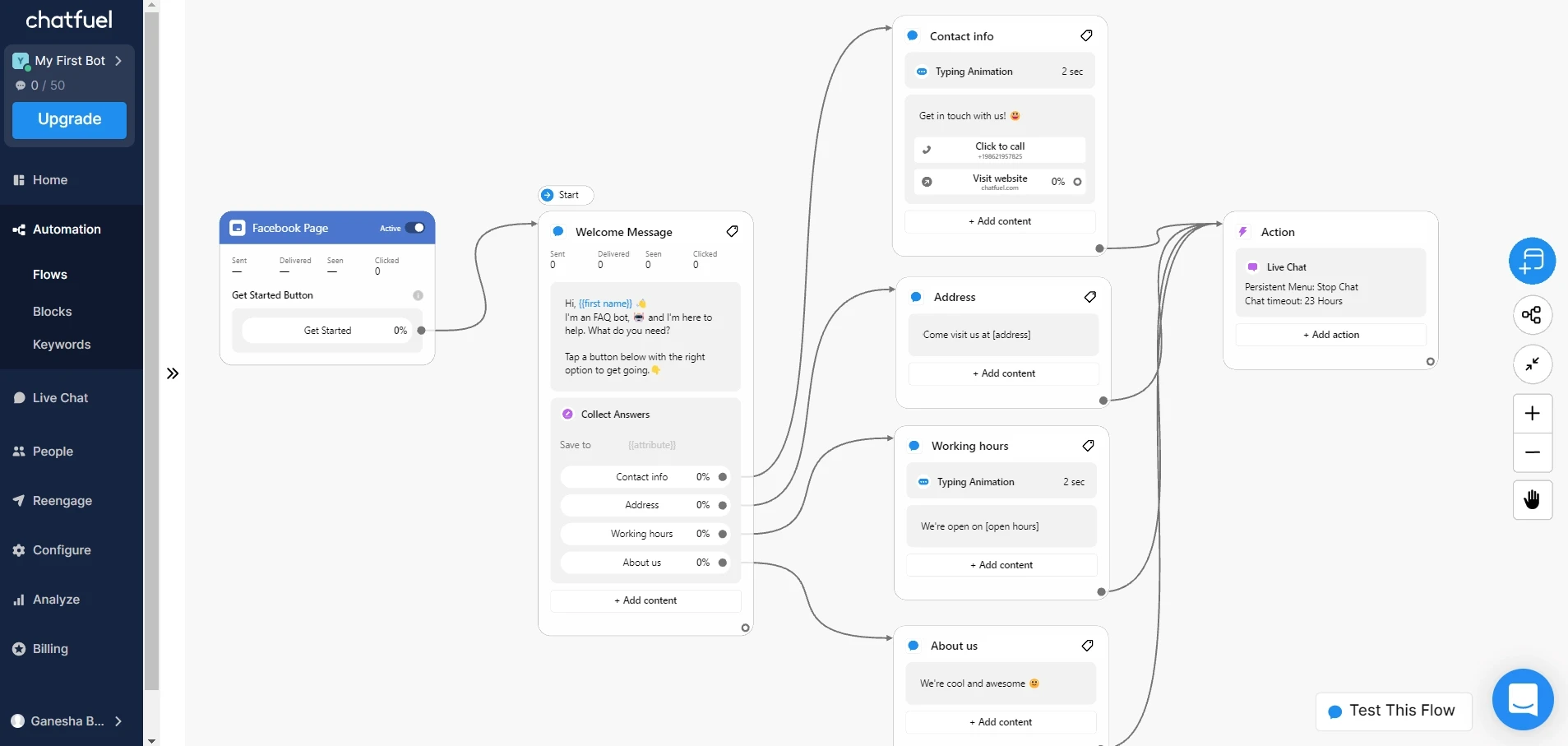
The admin panel endless logic binding behing "intelligence"
While building Picken I got to handle "Ai" guided product selling, with the goal to offer intelligence over the act of selling on an ecommerce so there could be an easy step to reach a product. The hard reality of the problem was that it was a separation of concerns from the user searching on a website to you as an admin, creating an internal endless product logic of questions and answers to permit user categorization and funelling. No AI was really inside but just data hoardning over "intelligent" questions.
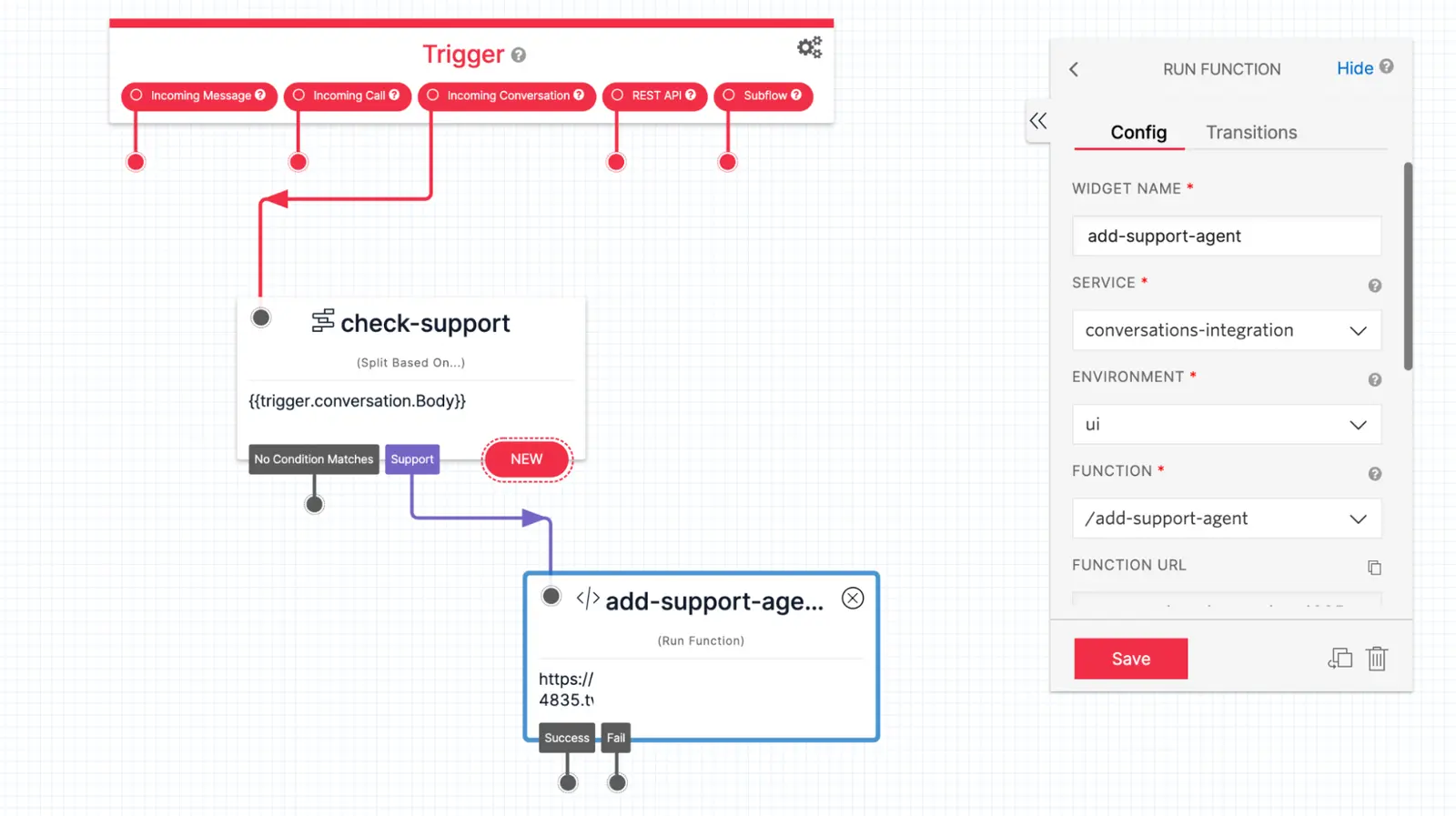
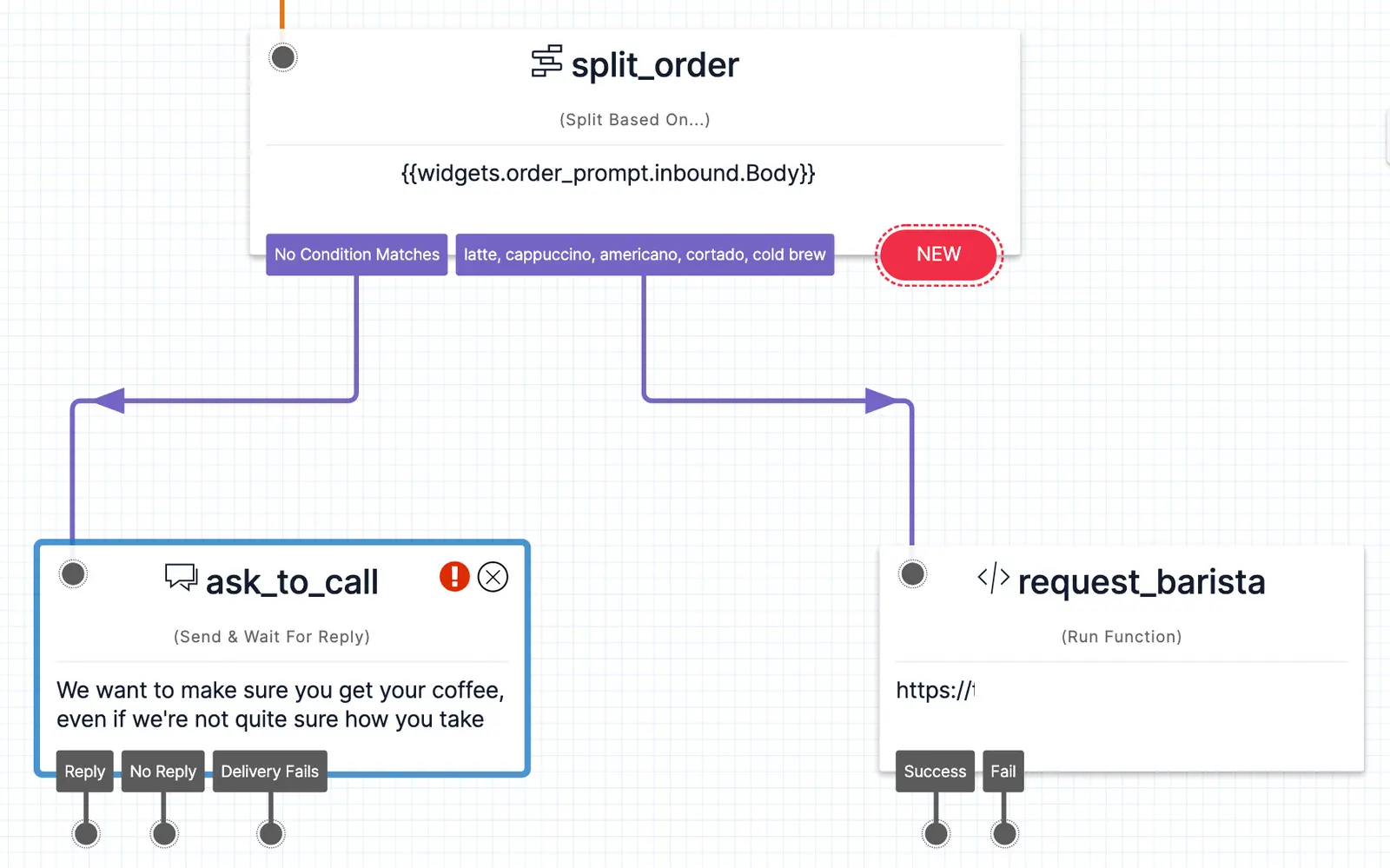
Then, within a couple of years, the same category of product started looking like this:
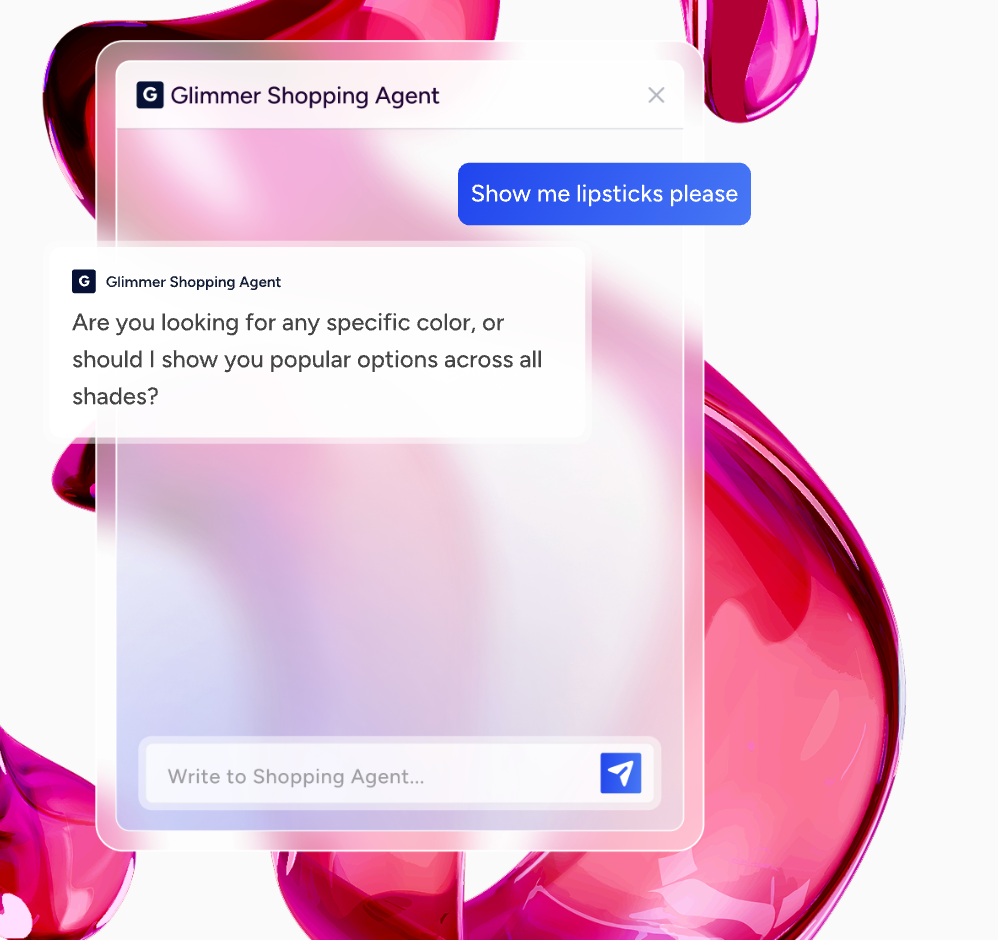
And underneath all of it, the interface that quietly made this normal:
What that unlocks, once you look past the chatbot itself
The part that actually matters for product is not the chat window. It's what a knowledge base, or more precisely a graph of the information a business actually holds, can now do once it sits behind that window. A specific customer service structure, a specific modern organization, can let a user express directly, not only through text but through voice, which might be the most powerful part of all of this, what they need, how they need it, what their situation actually is, what problem they are actually trying to solve, the moment they land on a specific site.
The system does not need to be human to do this well. It needs to understand the actual complexity of what is being asked, and check it, instantly, against what that business or that place genuinely offers, whatever that is: a ceramics workshop teaching a specific technique, a shop selling a very particular model of mixing deck, any small, specific e-commerce that used to have no real way to meet a specific question with a specific answer. Connecting the syntax and the actual object of someone's question to the database of what a service offers, and doing that instantly, is the real unlock. Not the chat bubble.
Two things this changes
The first is a new interface pattern in its own right: the setup bot. Getting a business's own knowledge connected and legible enough for this to work is becoming its own product moment, its own onboarding experience, not an afterthought bolted onto a dashboard once the "real" product is done.
The second is bigger. Businesses can now externalize and democratize a technical capability that used to require real dependency: on developers, on agencies, on someone who could translate a business's own logic into working software, just to have a competent presence online. That dependency is close to zero now. Not zero, there is still real work in getting this right, but the piece that used to be the hard wall, breaking the structure of language down far enough that a computer could understand the actual object of what someone needs and respond to it, has moved. And once that piece moves, it changes the entire landscape of how interfaces approach a user. Not only for chatbots. For everything.
Still product work
AI is not a chatbot strategy.
The conversation interface is useful because language is how people explain what they need. But dropping a chat box on top of an existing product does not make that product more useful on its own. Most of the time it just asks the user to describe work the product should already understand.
The more interesting question is: what can a product prepare, resolve, or make legible before the user has to ask? A good AI-assisted experience uses context, product state, and a clear model of the work to move someone from intent to outcome with less setup, less translation, and less back-and-forth.
That does not mean hiding the system. It means deciding where the system should make a recommendation, where it should act, and where it should stop and ask for a decision. The user still needs to understand what happened, what can be changed, and what the consequence is. This matters even more in products with money, identity, permissions, or operational risk.
The work is still product work: understanding the real task, the information available, the edge cases, the review point, and the business constraint. The model is one component in that system. It is not the system itself.
The products that will hold up will not feel like a chatbot attached to a workflow. They will feel like the workflow was designed with better anticipation: clearer next steps, less administrative weight, and more time spent on the decision that actually matters.
From assisting a service to replacing it
There's a second shift happening underneath all of this, and it has less to do with interface than with business structure. A small business no longer needs to depend directly on a technical team to build and maintain the web products it needs. Whole pieces of that work, the parts that used to require a developer, a designer, an agency, are being automated and reproduced instead of hand-built every time.
That's a different ambition than it looks like at first. The goal isn't only to bolt a chat window onto an existing product. It's to reproduce the entire service. The SaaS model that came before this assisted a specific service: it gave you a tool to help you do the thing you were already doing. What's happening now is closer to a full replacement of that service, one that produces a direct output solving the same problem a user originally had, without the tool, or the team behind it, ever entering the picture.